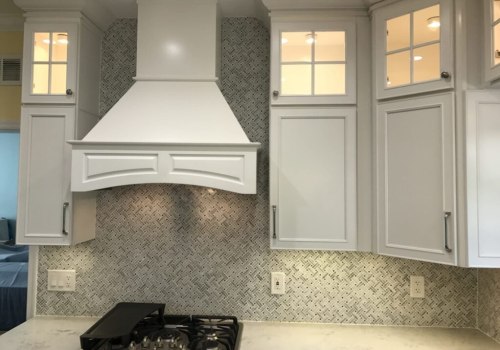
When considering a kitchen remodel, one of the most pressing questions homeowners face is, "How long will this take?" Understanding the timeline for a kitchen renovation is essential for effective planning and managing expectations. A kitchen is often the heart of the home, and being without it for an extended period can be challenging. Therefore, having a clear grasp of the factors that influence the duration of a remodel can help you prepare mentally and logistically for the changes ahead. The duration of a kitchen remodel can vary significantly based on several key factors, including the scope of the project, the complexity of the design, and even the availability of materials. For instance, a simple update involving new paint and hardware may only take a few weeks, while a complete overhaul that includes structural changes could stretch into several months.
This variability makes it crucial to assess your specific needs and goals before diving into the renovation process. In this article, we will explore various aspects that contribute to the overall timeline of a kitchen renovation. From understanding different types of remodels to recognizing potential delays caused by permits or supply chain issues, we aim to provide you with a comprehensive overview. By gaining insight into these elements, you can better navigate your own kitchen remodel journey and ensure that your dream kitchen becomes a reality in a timely manner.
Factors Influencing Kitchen Remodel Duration
When planning a kitchen remodel, understanding the various factors influencing the duration of the project is crucial for setting realistic expectations. The timeline for a kitchen renovation can vary significantly based on several key elements.- Project Size: The overall size of your kitchen plays a major role in determining how long the remodel will take.
A small kitchen may only require four to eight weeks for completion, while larger spaces can extend the timeline to ten to twelve weeks or more. This is due to the increased amount of work involved, including demolition, installation, and finishing touches.
- Complexity of Design: The complexity of your chosen design can also impact the duration of your remodel. If you are opting for a simple update, such as replacing cabinets and countertops, the project may proceed quickly. However, if your plans include structural changes like removing walls or relocating plumbing and electrical systems, expect significant delays as these tasks require more planning and execution.
- Material Selection: The materials you choose for your remodel can affect both the timeline and the overall cost.
High-end materials often have longer lead times for delivery and installation. For instance, custom cabinetry or imported tiles may take weeks to arrive, which can push back your project schedule.
- Permitting and Regulations: Depending on your location, obtaining necessary permits can add time to your remodel. Some areas require permits for even minor renovations, while others may have stricter regulations that necessitate additional inspections and approvals.
- Contractor Availability: The availability and efficiency of your contractor can greatly influence how long your kitchen remodel takes. A reputable contractor with a solid track record will likely have a well-organized schedule that minimizes delays.
Conversely, if your contractor is juggling multiple projects or lacks experience, it could lead to extended timelines.
Average Timeframes for Different Types of Kitchen Remodels
When planning a kitchen remodel, understanding the average timeframes for different types of projects can help set realistic expectations. The duration of a kitchen remodel can vary significantly based on the scope of work involved. Below, we break down the average timeframes for small, mid-scale, and large kitchen remodels.Small Kitchen Remodels
Small kitchen remodels typically focus on cosmetic updates rather than structural changes.These projects often include tasks such as painting, replacing countertops, updating fixtures, and installing new cabinets. On average, a small kitchen remodel can take anywhere from four to eight weeks. This timeframe allows for the selection and installation of materials that are readily available.
Mid-Scale Kitchen Renovations
Mid-scale renovations involve more extensive updates, such as replacing appliances, upgrading lighting, and possibly reconfiguring the layout without major structural changes. Homeowners can expect these projects to take approximately eight to ten weeks.This duration accounts for the time needed to order materials, complete installations, and address any unforeseen issues that may arise during the renovation process.
Large Kitchen Remodels
Large kitchen remodels are comprehensive undertakings that often include significant structural changes, such as moving walls or relocating plumbing and electrical systems. These projects can take considerably longer, averaging around ten to twelve weeks , but they can extend up to six months in some cases. Factors contributing to this extended timeline include:- Permitting and inspections: Obtaining necessary permits can add time before construction even begins.
- Custom materials: High-end finishes and custom cabinetry may require longer lead times for production and delivery.
- Complexity of design: More intricate designs often necessitate additional labor and coordination among contractors.
The Remodeling Process: Step-by-Step Timeline
Embarking on a kitchen remodel can be an exciting yet daunting task.Understanding the typical steps involved in the remodeling process can help homeowners manage their expectations and plan accordingly. Below is a detailed timeline that outlines the phases of a kitchen renovation, along with the estimated time each phase may take.
- Initial Planning and Design (1-3 weeks)The first step in any kitchen remodel is thorough planning. This phase involves assessing your current kitchen layout, determining your needs, and setting a budget. Homeowners should also consider hiring a designer or contractor during this stage to help visualize the new space.
This phase can take anywhere from one to three weeks, depending on how quickly decisions are made.
- Obtaining Permits (1-4 weeks)Before any physical work begins, it’s essential to check local regulations and obtain necessary permits. The time required for this step can vary significantly based on local laws and the complexity of your remodel. On average, this process can take one to four weeks.
- Demolition (1-2 weeks)Once permits are secured, the demolition phase begins. This involves removing old cabinets, countertops, appliances, and flooring.
Depending on the size of the kitchen and the extent of the demolition, this phase typically lasts one to two weeks.
- Structural Changes (2-4 weeks)If your remodel includes structural changes such as moving walls or altering plumbing and electrical systems, this phase can take longer. Expect this part of the project to last between two to four weeks, as it requires careful planning and execution by skilled professionals.
- Installation of New Elements (3-6 weeks)The installation phase is where your new kitchen starts to take shape. This includes installing cabinets, countertops, appliances, and flooring. Depending on the complexity and quality of materials chosen, this phase can take anywhere from three to six weeks.
- Finishing Touches (1-2 weeks)The final phase involves adding finishing touches such as hardware installation, painting, and final inspections.
This step usually takes one to two weeks but is crucial for ensuring that everything is completed to your satisfaction.
Common Delays and How to Avoid Them
When embarking on a kitchen remodel, homeowners often underestimate the potential for delays that can extend the timeline of their project. Understanding these common setbacks and how to mitigate them can save both time and frustration.1.Supply Chain Issues
One of the most frequent causes of delays in kitchen remodeling is supply chain disruptions. This can include everything from appliances to cabinetry and countertops.To avoid these issues:
- Order Early: Place orders for materials and appliances as soon as possible. This ensures that you have everything on hand when construction begins.
- Choose In-Stock Options: Opt for items that are readily available rather than custom or specialty products, which may take longer to arrive.
2.Permitting Delays
Depending on your location, obtaining the necessary permits can be a lengthy process. To streamline this:- Research Requirements: Familiarize yourself with local building codes and regulations before starting your remodel.
- Apply Early: Submit your permit applications well in advance of your planned start date to account for any potential delays.
3.Unforeseen Structural Issues
During demolition, you may uncover unexpected problems such as water damage or outdated electrical systems. To prepare for this:- Conduct a Thorough Inspection: Hire a professional to assess your kitchen before starting the remodel.
This can help identify potential issues early on.
- Set Aside a Contingency Budget: Allocate extra funds to address any unforeseen repairs that may arise during the project.
4.Labor Shortages
The construction industry often faces labor shortages, which can lead to delays in scheduling contractors. To minimize this risk:- Book Contractors Early: Secure your contractors well in advance of your project start date to ensure their availability.
- Consider Off-Peak Times: If possible, schedule your remodel during off-peak seasons when contractors may have more availability.
Permits and Regulations: Impact on Timeline
When planning a kitchen remodel, one of the most critical aspects to consider is the impact of permits and local regulations on your project timeline. Understanding these legal requirements early in the planning process can save you time, money, and frustration down the line.Most municipalities require homeowners to obtain permits for significant renovations, including kitchen remodels.These permits ensure that the work complies with local building codes and safety standards. The types of permits you may need can vary widely depending on your location and the scope of your project. Common permits include:
- Building Permits: Required for structural changes, such as removing walls or altering the layout.
- Electrical Permits: Necessary if you plan to upgrade or relocate electrical systems.
- Plumbing Permits: Needed for any changes to plumbing fixtures or systems.
- HVAC Permits: Required if you're modifying heating or cooling systems.
Delays in permit approval can push back your entire remodeling schedule, so it’s essential to factor this into your planning.Additionally, local regulations may impose restrictions on certain aspects of your remodel. For example, if you live in a historic district, there may be specific guidelines regarding materials and design that you must adhere to. Understanding these regulations upfront can help you avoid costly redesigns or delays later in the process.To navigate the permitting process effectively:
- Research Local Requirements: Check with your local building department to understand what permits are necessary for your project.
- Consult Professionals: Engaging a licensed contractor or architect can help streamline the permitting process, as they are often familiar with local regulations.
- Plan Ahead: Factor in permit acquisition time when creating your overall project timeline to avoid unexpected delays.
Tips for Planning Your Kitchen Remodel Timeline
Planning a kitchen remodel can be an exciting yet daunting task.To ensure a smooth process and minimize stress, it’s essential to create a well-structured timeline. Here are some practical tips to help you effectively plan your kitchen remodel schedule:
- Define Your Goals: Before diving into the logistics, take time to outline what you want to achieve with your kitchen remodel. Are you looking for more space, improved functionality, or a modern aesthetic? Having clear goals will guide your decisions throughout the project.
- Set a Realistic Budget: Establishing a budget is crucial. Consider all aspects of the remodel, including materials, labor, and unexpected expenses.
It’s wise to allocate an additional 10-20% of your budget for unforeseen costs that may arise during the renovation.
- Research and Hire Professionals: Depending on the complexity of your remodel, you may need to hire contractors, designers, or architects. Take the time to research local professionals, read reviews, and ask for recommendations. Schedule consultations to discuss your vision and get estimates.
- Create a Detailed Timeline: Once you have your goals and budget in place, develop a timeline that outlines each phase of the project. Include milestones such as design approval, ordering materials, demolition, and installation.
Be sure to account for potential delays due to shipping or contractor availability.
- Communicate with Your Team: Regular communication with your contractors and designers is vital. Keep them informed about any changes in your plans or preferences. Establishing a point of contact can streamline communication and help address issues promptly.
- Prepare for Disruptions: A kitchen remodel can disrupt your daily routine. Plan meals in advance and set up a temporary kitchen area if necessary.
Being prepared for inconveniences will make the process more manageable.
- Stay Flexible: Despite careful planning, unexpected challenges may arise during the remodel. Stay flexible and be ready to adapt your timeline as needed. A positive attitude can make a significant difference in how you experience the renovation process.
FAQs About Kitchen Remodel Timelines
When planning a kitchen remodel, homeowners often have numerous questions regarding the timeline of the project.Understanding the duration of a kitchen renovation can help set realistic expectations and alleviate some of the stress associated with home improvement projects. Here are some frequently asked questions about kitchen remodel timelines:
How long does a typical kitchen remodel take?
The duration of a kitchen remodel can vary significantly based on several factors, including the scope of the project, the size of the kitchen, and the materials chosen. On average, a moderate-sized kitchen remodel may take anywhere from 6 to 12 weeks. Smaller projects might be completed in as little as 4 to 8 weeks , while larger renovations that involve structural changes or high-end finishes could extend to 4 to 6 months .What factors influence the timeline of a kitchen remodel?
- Project Scope: The more extensive the changes, such as moving walls or upgrading plumbing and electrical systems, the longer the project will take.
- Material Availability: Custom or high-end materials may require longer lead times for delivery, impacting the overall schedule.
- Permits and Approvals: Depending on local regulations, obtaining necessary permits can add time to your project timeline.
- Contractor Availability: The schedule of your chosen contractor can also affect how quickly work begins and progresses.
Can I live in my home during a kitchen remodel?
Many homeowners choose to remain in their homes during a kitchen renovation, but it can be challenging.Depending on the extent of the remodel, you may be without a functional kitchen for several weeks. It’s advisable to set up a temporary cooking area in another part of your home or consider meal prep options during this time.
What can I do to expedite my kitchen remodel?
- Plan Ahead: Have a clear vision and design plan before starting to minimize delays.
- Select In-Stock Materials: Choosing readily available materials can significantly reduce wait times.
- Communicate with Your Contractor: Regular updates and open communication can help keep the project on track.
Conclusion: Setting Realistic Expectations for Your Kitchen Remodel
In conclusion, embarking on a kitchen remodel is an exciting journey that can significantly enhance the functionality and aesthetic appeal of your home. However, it is crucial to set realistic expectations regarding the duration of the project. As discussed, the timeline for a kitchen remodel can vary widely based on several factors, including the scope of work, the size of your kitchen, and the complexity of the design changes.For instance, a small-scale remodel may take as little as four weeks, while more extensive renovations could stretch to several months.Homeowners should be prepared for potential delays due to unforeseen circumstances such as supply chain issues or necessary permit approvals. Understanding these variables can help you plan better and reduce stress during the renovation process.Moreover, effective communication with your contractor is essential. Regular updates and discussions about progress can help manage expectations and keep the project on track. It’s also wise to have contingency plans in place for any unexpected challenges that may arise.Ultimately, patience is key when undergoing a kitchen remodel.
While it may be inconvenient to be without a fully functional kitchen for an extended period, the end result will often be worth the wait. By setting realistic timelines and being prepared for adjustments along the way, you can ensure a smoother remodeling experience.In summary, take the time to assess your needs, consult with professionals, and create a detailed plan that considers all aspects of your kitchen remodel. This approach will not only help you achieve your dream kitchen but also make the process more enjoyable and less stressful.