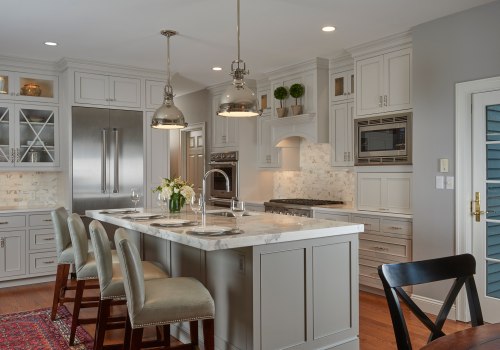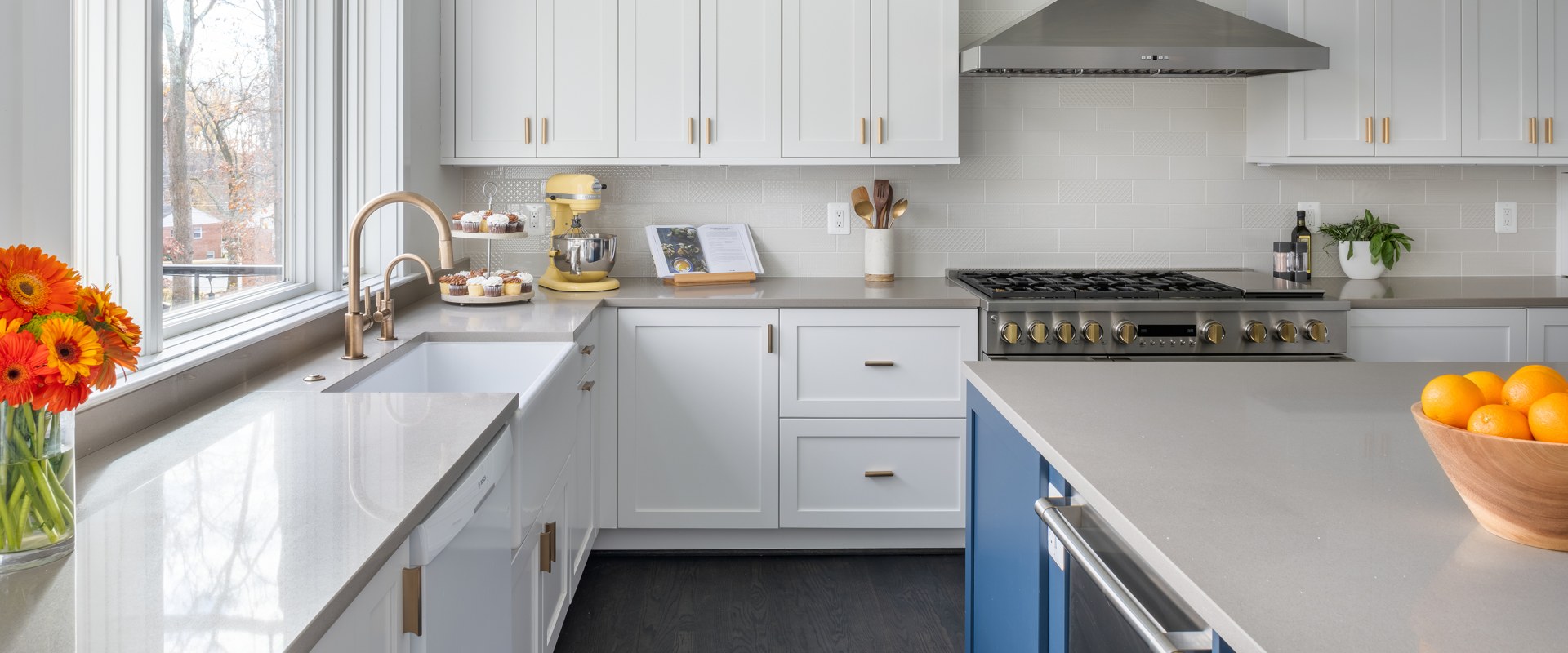
When embarking on a kitchen remodel, understanding the importance of budgeting cannot be overstated. A well-planned budget serves as the foundation for your renovation project, guiding your decisions and ensuring that you stay on track financially. Without a clear budget, it’s easy to get carried away with design ideas and high-end materials, leading to unexpected costs that can derail your project and cause unnecessary stress.Budgeting for a kitchen remodel is not just about limiting expenses; it’s about making informed choices that align with your vision and financial capabilities. By establishing a realistic budget, you can prioritize essential elements of your remodel, such as cabinetry, countertops, and appliances, while also allowing for some flexibility in case of unforeseen expenses.
This proactive approach helps you avoid the common pitfalls of overspending and ensures that you can achieve the kitchen of your dreams without compromising your financial stability.Moreover, understanding the various costs associated with a kitchen renovation is crucial. From labor and materials to permits and unexpected repairs, each aspect contributes to the overall expense. By breaking down these costs and allocating funds accordingly, you can make strategic decisions that enhance both the functionality and aesthetic appeal of your kitchen. This level of planning not only maximizes your investment but also increases the likelihood of a successful remodel that meets your needs for years to come.
Setting a Realistic Budget: Key Considerations
When embarking on a kitchen remodel, setting a realistic budget is crucial to ensure that your project runs smoothly and stays within financial limits.Here are some key considerations to help you establish a budget that aligns with your vision and financial capabilities.
- Assess the Size and Scope of Your Project: The first step in budgeting for a kitchen remodel is to evaluate the size of your kitchen and the extent of the changes you wish to make. A minor facelift, such as repainting cabinets and updating hardware, will cost significantly less than a full-scale renovation that involves structural changes or layout modifications. Consider whether you want to keep the existing layout or if you plan to relocate appliances and fixtures, as this can greatly affect costs.
- Choose Your Materials Wisely: The materials you select will have a substantial impact on your overall budget. High-quality materials like granite countertops or custom cabinetry can elevate the aesthetic of your kitchen but come with a higher price tag.
On the other hand, opting for laminate surfaces or stock cabinets can help you save money without sacrificing style. Research various options and consider mid-range materials that offer durability and appeal.
- Factor in Labor Costs: Labor is often one of the largest expenses in a kitchen remodel. Hiring skilled professionals can ensure quality work, but it’s essential to get multiple quotes from contractors to find competitive pricing. Be sure to ask about their experience, references, and any warranties they offer on their work.
If you’re considering DIY projects, be honest about your skills and the time you can commit; sometimes, hiring a professional can save you money in the long run by avoiding costly mistakes.
- Include Hidden Costs: Many homeowners overlook additional expenses that can arise during a remodel. These may include permits, inspections, and unexpected repairs related to plumbing or electrical systems. It’s wise to set aside an extra 10-20% of your total budget for these unforeseen costs to avoid financial strain later on. Many homeowners overlook additional expenses that can arise during a remodel. These may include permits, inspections, and unexpected repairs related to plumbing or electrical systems. It’s wise to set aside an extra 10-20% of your total budget for these unforeseen costs to avoid financial strain later on.
- Prioritize Your Needs: Determine which elements of your kitchen remodel are essential versus those that are merely desirable. For instance, if new appliances are a must-have for your cooking style, prioritize them in your budget while considering less critical upgrades for later phases of the project.
A well-thought-out budget will help guide your decisions throughout the remodeling process, ensuring that you achieve the kitchen of your dreams without breaking the bank.
Choosing Materials Wisely: Balancing Quality and Cost
When embarking on a kitchen remodel, one of the most critical decisions you'll face is selecting the right materials. The choices you make can significantly impact both the overall aesthetic and the longevity of your kitchen. Striking a balance between quality and cost is essential to ensure that your investment pays off in the long run.Understanding Material Options
- Counters: Popular options include granite, quartz, and laminate. While granite offers durability and a luxurious look, quartz provides a non-porous surface that requires less maintenance.
Laminate, on the other hand, is budget-friendly but may not have the same lifespan as stone options.
- Cabinets: Stock cabinets are often more affordable and can be found in various styles. However, if you desire a custom look, consider semi-custom cabinets that allow for some personalization without breaking the bank.
- Flooring: Hardwood floors add warmth but can be costly. Alternatives like luxury vinyl or tile can mimic the appearance of wood at a fraction of the price while offering better resistance to moisture.
- Backsplashes: Subway tiles are a classic choice that remains affordable. For a more unique look, consider peel-and-stick options that are easy to install and budget-friendly.
Cost-Effective Strategies
To maximize your budget while still achieving a high-quality finish, consider these strategies:
- Prioritize Key Areas: Focus on materials that will have the most significant impact on your kitchen's functionality and appearance.
For instance, investing in durable countertops may be more beneficial than splurging on decorative elements.
- Shop Sales and Discounts: Keep an eye out for seasonal sales or clearance events at home improvement stores. Purchasing materials during these times can lead to substantial savings.
- Consider Alternative Materials: Explore options like engineered stone or recycled materials that offer similar aesthetics to high-end choices but at lower prices.
The Importance of Quality
While it may be tempting to cut corners to save money, remember that quality materials often lead to fewer repairs and replacements down the line. Investing in durable products can enhance your kitchen's functionality and aesthetic appeal, ultimately increasing your home's value.In conclusion, choosing materials wisely during your kitchen remodel involves careful consideration of both quality and cost. By understanding your options and employing strategic purchasing tactics, you can create a beautiful kitchen that stands the test of time without exceeding your budget.
DIY vs.
Hiring Professionals: Making the Right ChoiceWhen planning a kitchen remodel, one of the most significant decisions you'll face is whether to tackle the project yourself or hire professionals. Each option comes with its own set of advantages and disadvantages, and understanding these can help you make an informed choice that aligns with your budget, skills, and vision.
Pros of DIY Kitchen Remodeling
- Cost Savings: One of the most appealing aspects of a DIY kitchen remodel is the potential for significant cost savings. By taking on tasks yourself, you can avoid labor costs that can account for a large portion of your budget.
- Personal Touch: A DIY project allows you to infuse your personal style into every aspect of the remodel. You have complete control over design choices, materials, and finishes.
- Learning Experience: Engaging in a DIY remodel can be a rewarding learning experience.
You’ll gain new skills and knowledge about home improvement that can benefit you in future projects.
Cons of DIY Kitchen Remodeling
- Time-Consuming: DIY projects often take longer than anticipated, especially if you’re learning as you go. This can lead to extended periods without a functional kitchen.
- Skill Limitations: Not all tasks are suitable for DIY. Complex plumbing or electrical work may require professional expertise to ensure safety and compliance with local codes.
- Potential for Mistakes: Inexperience can lead to costly mistakes that may require professional intervention to fix, negating any initial savings.
Benefits of Hiring Professionals
- Expertise: Professionals bring years of experience and specialized knowledge to your project. They can provide valuable insights on design, materials, and construction techniques that you may not have considered.
- Efficiency: A skilled contractor can complete the remodel more quickly than an inexperienced homeowner, minimizing disruption to your daily life.
- Access to Resources: Contractors often have established relationships with suppliers, which can lead to better pricing on materials and access to high-quality products.
Drawbacks of Hiring Professionals
- Higher Costs: Hiring professionals typically means higher upfront costs due to labor fees.
This can strain your budget if not planned for properly.
- Lack of Control: When you hire someone else, you may have less control over the day-to-day decisions and changes that arise during the remodel process.
Financing Your Kitchen Remodel: Options and Strategies
When planning a kitchen remodel, understanding your financing options is crucial to ensure that your project stays within budget while meeting your design goals. Here are some effective strategies and options to consider when financing your kitchen renovation.1.Home Improvement Loans
Home improvement loans are specifically designed to help homeowners fund renovations.These loans can be secured or unsecured:
- Secured Loans: These loans require collateral, typically your home, which can lead to lower interest rates. However, if you fail to repay, you risk losing your property.
- Unsecured Loans: These do not require collateral but often come with higher interest rates. They are ideal for smaller projects where you may not want to risk your home.
2.Home Equity Line of Credit (HELOC)
A HELOC allows you to borrow against the equity in your home. This option provides flexibility as you can withdraw funds as needed, making it suitable for ongoing projects.Keep in mind that interest rates can vary, and it’s essential to have a repayment plan in place.
3.Personal Savings
If possible, using personal savings is one of the best ways to finance your kitchen remodel. This method avoids debt and interest payments, allowing you to stay within budget. Consider setting aside a specific amount each month leading up to your remodel.4.Credit Cards
Using credit cards for smaller purchases related to your remodel can be convenient, especially if you have a card with rewards or cash back offers. However, be cautious of high-interest rates and ensure you can pay off the balance quickly to avoid accumulating debt.5.Budgeting Strategies
Regardless of the financing option you choose, effective budgeting is key:- Create a Detailed Budget: List all potential expenses, including materials, labor, and unexpected costs.
This will give you a clearer picture of how much you need to finance.
- Prioritize Needs vs. Wants: Focus on essential upgrades first, such as plumbing or electrical work, before considering luxury items like high-end appliances.
- Set a Contingency Fund: Allocate an additional 10-20% of your budget for unforeseen expenses that may arise during the remodel.
Maximizing Value: How to Ensure Your Remodel Pays Off
When planning a kitchen remodel, one of the most critical aspects to consider is how your design choices will impact the overall value of your home. A well-executed kitchen renovation can significantly increase your property’s market appeal and resale value. Here are some strategies to ensure that your remodel not only fits your budget but also maximizes your return on investment (ROI).Focus on Functionality
Before diving into aesthetic choices, prioritize functionality.A kitchen that works well for daily activities is more appealing to potential buyers. Consider the kitchen work triangle , which optimizes the layout between the stove, sink, and refrigerator. This efficient design can enhance usability and make your kitchen feel larger and more inviting.
Choose Timeless Materials
While it might be tempting to follow the latest trends, opting for timeless materials can ensure longevity in style and durability. For example:- Cabinets: Select classic wood finishes or painted cabinets in neutral tones that appeal to a broad audience.
- Countertops: Materials like granite or quartz not only offer durability but also add a touch of luxury.
- Flooring: Hardwood or high-quality tile can withstand wear and tear while remaining stylish.
Invest in Energy-Efficient Appliances
Modern buyers are increasingly looking for energy-efficient appliances that reduce utility costs.Investing in Energy Star-rated appliances can not only lower your energy bills but also make your kitchen more attractive to eco-conscious buyers. Additionally, these appliances often come with warranties that can provide peace of mind.
Enhance Curb Appeal
The kitchen is often considered the heart of the home, but its visibility from other areas can impact overall home appeal. Ensure that your remodel enhances curb appeal by:- Incorporating open shelving or glass-front cabinets to showcase attractive dishware.
- Adding a stylish backsplash that complements your countertops and cabinets.
- Utilizing lighting effectively; under-cabinet lighting can create ambiance while improving functionality.
Plan for Resale
If you plan to sell your home in the near future, consider what potential buyers in your area are looking for. Research local real estate trends and consult with a realtor to understand which features are most desirable.This insight can guide you in making smart remodeling choices that align with market demands.In conclusion, a successful kitchen remodel requires careful planning and consideration of both personal preferences and market trends. By focusing on functionality, choosing timeless materials, investing in energy-efficient appliances, enhancing curb appeal, and planning for resale, you can ensure that your remodel pays off in both enjoyment and increased home value.
Common Budgeting Mistakes to Avoid During Your Kitchen Remodel
When planning a kitchen remodel, it’s easy to get caught up in the excitement of design and functionality. However, many homeowners fall into common budgeting traps that can lead to financial strain and project delays. Here are some frequent mistakes to avoid when budgeting for your kitchen renovation:- Underestimating Costs: One of the most prevalent mistakes is underestimating the total costs involved.
Homeowners often focus on visible expenses like cabinets and countertops while neglecting hidden costs such as plumbing, electrical work, and permits. To avoid this pitfall, create a comprehensive list of all potential expenses and add a buffer of 10-20% for unexpected costs.
- Neglecting to Prioritize Needs vs. Wants: It’s essential to distinguish between what you need and what you want in your kitchen remodel. While it may be tempting to splurge on high-end appliances or luxury finishes, prioritize essential upgrades that enhance functionality first.
This approach ensures that your budget is allocated effectively.
- Ignoring the Importance of Research: Failing to research materials, appliances, and contractors can lead to overspending. Take the time to compare prices, read reviews, and gather multiple quotes before making decisions. This diligence can save you significant amounts of money.
- Overlooking DIY Limitations: While DIY projects can save money, they can also lead to costly mistakes if you overestimate your skills. Be honest about your capabilities and consider hiring professionals for complex tasks like electrical or plumbing work to avoid future expenses from errors.
- Not Considering Long-Term Value: Some homeowners focus solely on immediate aesthetics without considering how their choices will affect the home’s value in the long run.
Opting for timeless designs and durable materials can enhance resale value and save money on future renovations.
FAQs About Budgeting for Your Kitchen Remodel
When planning a kitchen remodel, it’s common to have numerous questions about budgeting. Here are some frequently asked questions that can help clarify your financial planning for this significant home improvement project.What is the average cost of a kitchen remodel?
The cost of a kitchen remodel can vary widely based on several factors, including the size of your kitchen, the materials you choose, and the extent of the renovations. On average, homeowners can expect to spend between $15,000 and $50,000 for a mid-range remodel.However, high-end renovations can exceed $100,000.
How can I create a realistic budget for my kitchen remodel?
To establish a realistic budget, start by determining your overall financial limits. Consider the following steps:- Assess your needs: Identify what aspects of your kitchen need improvement and prioritize them.
- Research costs: Gather estimates for materials, labor, and any additional expenses such as permits.
- Include a contingency fund: Set aside 10-20% of your budget for unexpected costs that may arise during the remodel.
Should I hire a contractor or do it myself?
This decision largely depends on your skill level and the complexity of the project. Hiring a professional contractor can ensure quality work and save time, but it will increase your overall costs. If you have experience with home renovations and are confident in your abilities, consider tackling smaller projects yourself to save money.What are some common hidden costs in a kitchen remodel?
Many homeowners overlook potential hidden costs that can impact their budget.Some common hidden expenses include:
- Structural changes: If you plan to move walls or change layouts, structural reinforcements may be necessary.
- Electrical and plumbing updates: Older homes may require upgrades to meet current codes.
- Permits and inspections: Depending on your location, you may need permits for certain renovations.
Conclusion: Crafting Your Dream Kitchen Within Budget Constraints
In summary, embarking on a kitchen remodel is an exciting yet challenging endeavor that requires meticulous planning and budgeting. Throughout this guide, we have explored various aspects that contribute to the overall cost of a kitchen renovation, emphasizing the importance of understanding your financial limits while still achieving your dream space.First and foremost, it is crucial to assess the size and scope of your project. Whether you are considering a minor update or a complete overhaul, having a clear vision will help you allocate your budget effectively.Remember, even small changes can make a significant impact on the functionality and aesthetics of your kitchen.Next, we discussed the importance of selecting materials wisely. Opting for cost-effective alternatives, such as stock cabinets or laminate countertops, can help you stay within budget without sacrificing quality. Additionally, consider the long-term value of your choices; investing in durable materials may save you money on repairs and replacements in the future.Another key takeaway is the role of professional help. Hiring an experienced contractor can streamline the remodeling process and potentially save you money by avoiding costly mistakes.
Be sure to obtain multiple quotes and check references to ensure you are making an informed decision.Moreover, we highlighted the significance of prioritizing your needs versus wants. If you plan to stay in your home for years to come, focus on features that enhance your daily life. Conversely, if selling is on the horizon, aim for updates that appeal to potential buyers while keeping costs manageable.Ultimately, a successful kitchen remodel hinges on careful planning and realistic budgeting. By taking the time to research options, set priorities, and remain flexible throughout the process, you can create a beautiful and functional kitchen that not only meets your needs but also adds value to your home.